


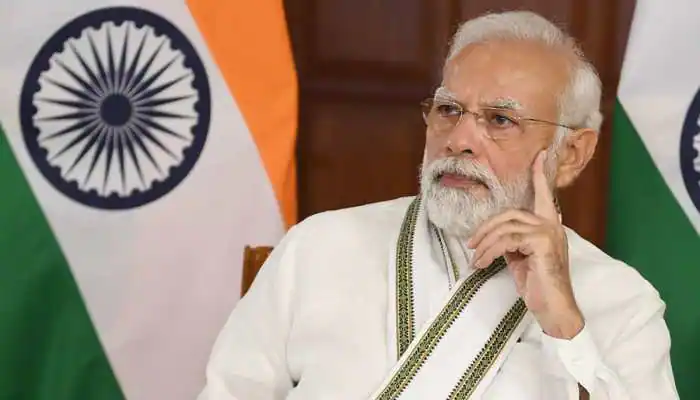
Narendra Modi, the charismatic and transformative leader, has been at the forefront of Indian politics for over a decade. With a compelling personal journey, unwavering determination, and innovative vision, Modi has left an indelible mark on India’s socio-political landscape. From humble beginnings as a tea seller to becoming the Prime Minister of the world’s largest democracy, his rise to power is a testament to the power of perseverance and leadership. In this blog, we delve into the life, accomplishments, and impact of Narendra Modi, the man who has captured the hearts and minds of millions and continues to shape India’s destiny.
- The Rise of a Visionary:
Born on September 17, 1950, in Vadnagar, a small town in Gujarat, Narendra Damodardas Modi displayed exceptional leadership qualities from a young age. His early years were marked by a deep spiritual quest, which led him to join the Rashtriya Swayamsevak Sangh (RSS), a Hindu nationalist organization. Under the guidance of RSS, he developed strong organizational skills and an unwavering commitment to serving the nation.
- The Gujarat Model:
As the Chief Minister of Gujarat from 2001 to 2014, Modi implemented innovative policies and governance models that earned him the moniker “Vikas Purush” or the “Development Man.” The Gujarat model focused on infrastructure development, industrial growth, and attracting foreign investments, propelling the state to unprecedented economic prosperity. Critics, however, pointed out concerns over communal riots during his tenure.
- The 2014 Electoral Triumph:
Narendra Modi’s ascent to the highest office in India was nothing short of historic. In the 2014 general elections, his Bharatiya Janata Party (BJP) secured an overwhelming majority, forming a government with Modi at the helm as Prime Minister. His campaign promised “Achhe Din” (Good Days) for India, focusing on economic reforms, job creation, and a corruption-free governance.
- Initiatives and Reforms:
As Prime Minister, Narendra Modi launched several transformative initiatives that aimed to uplift various sections of society. The “Swachh Bharat Abhiyan” (Clean India Mission) focused on sanitation and cleanliness, while “Make in India” aimed to boost domestic manufacturing and attract foreign investments. “Digital India” aimed to connect rural areas with technology, and “Skill India” focused on providing skill development opportunities to India’s youth.
- Foreign Policy and Global Recognition:
Narendra Modi’s foreign policy approach has sought to strengthen India’s global standing and foster closer ties with various nations. He has engaged in high-profile diplomatic visits and played an active role in international forums. Under his leadership, India’s stature on the world stage has risen significantly.
- Controversies and Criticisms:
Despite his widespread popularity, Narendra Modi’s tenure has not been without controversies. Critics have accused his government of authoritarian tendencies, divisive politics, and concerns over freedom of expression. Some have also raised questions regarding economic policies and social inequalities.
Conclusion:
Narendra Modi remains an enigmatic figure in Indian politics, admired by many for his visionary leadership and transformative initiatives, while drawing criticism from others for his governance style and policies. With his second term in office, Modi faces new challenges and opportunities to shape India’s trajectory in the 21st century. As the country continues its journey towards progress and development, it is essential to assess both the successes and challenges faced during his tenure. Whether you admire him or disagree with his policies, there is no denying that Narendra Modi has left a profound impact on India’s political landscape and continues to be a prominent figure in the nation’s history.