


Introduction:
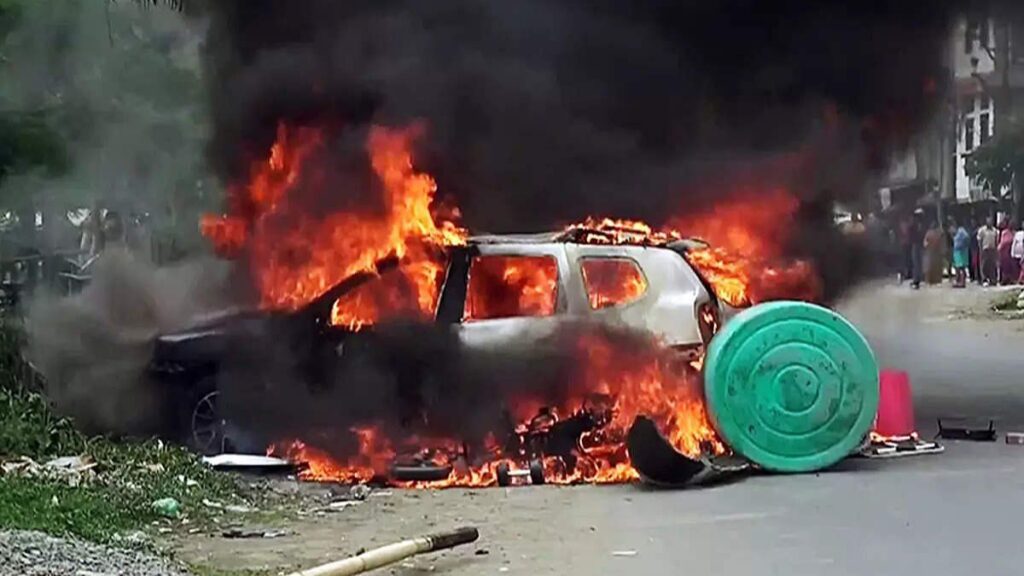
In the northeastern region of India, the state of Manipur has been grappling with a series of riots that have resulted in loss of lives, property damage, and a sense of fear and unrest among its residents. The recent incidents have shed light on the underlying issues faced by the state and the urgent need for resolution. In this blog, we delve into the Manipur riots, exploring their causes, consequences, and the steps that can be taken to foster peace, unity, and harmony in the region.
- Understanding the Context:
Manipur, known for its rich cultural heritage and scenic beauty, has faced socio-political challenges for decades. The state’s diverse ethnic groups, each with unique aspirations and identities, have led to tensions and occasional conflicts over issues like land rights, governance, and representation.
- The Spark that Ignited Unrest:
Recent riots in Manipur were triggered by a series of incidents, including territorial disputes, political unrest, and communal tensions. The dissatisfaction among certain sections of society over perceived neglect and marginalization further fueled the unrest, leading to violent clashes and demonstrations.
- Human Toll and Property Damage:
As violence escalated, innocent lives were lost, and many others suffered injuries, causing immense grief and trauma to the affected families. Additionally, public and private properties were damaged, leaving communities in distress and economic hardship.
- The Role of Media and Social Media:
The impact of the Manipur riots extended beyond the state’s boundaries, with media and social media platforms amplifying the news and images of the unrest. While this helped garner attention to the issue, it also brought risks of misinformation and exacerbating tensions.
- Path to Peace and Reconciliation:
As the state reels from the aftermath of the riots, there is a pressing need for dialogue, understanding, and compassion to pave the way for peace and reconciliation. Initiatives that promote cultural exchange, inter-community dialogues, and equitable representation in governance can be essential steps in bridging divides.
- The Role of Governance:
Effective governance and transparent policies are crucial in addressing the root causes of discontent and ensuring inclusive development. Authorities must prioritize addressing socio-economic disparities and implement measures that foster a sense of belonging and security among all residents.
Conclusion:
The Manipur riots serve as a stark reminder of the complexities and challenges faced by the state, and the urgent need for lasting solutions. As we look to the future, it is essential for stakeholders, both at the grassroots and government levels, to work hand in hand to promote unity, peace, and harmony. By addressing the underlying issues, fostering dialogue, and investing in inclusive development, we can hope to build a resilient and harmonious Manipur where all communities thrive together. Let us stand together, united in our commitment to a brighter and more peaceful future for Manipur.